Maybe you don’t want a certificate. You want a week away from your phone, some real yoga, decent sleep and some quiet by a river. A yoga retreat in Rishikesh for foreigners is one of the most affordable ways to do that, and it is a gentle introduction to India for first-time visitors. This guide covers what a retreat involves, whether to choose 3 or 7 days, what it costs, how to get here and how to avoid the common first-timer mistakes.
What a Yoga Retreat in Rishikesh Actually Involves
A yoga retreat in Rishikesh for foreigners is not a teacher training. There are no exams, no homework and no pressure to perform. At Jeevatman Yogshala, a typical retreat includes:
- Daily yoga classes: traditional Hatha, adapted for complete beginners as well as experienced practitioners.
- Pranayama and meditation: including guided practice and breathwork at the ghats of the Ganga.
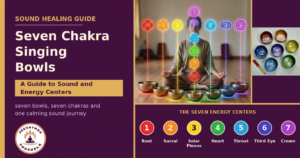
- A sound healing session with Tibetan singing bowls, for deep relaxation. New to it? Read what to expect at your first sound bath.
- Sattvic, Ayurveda-inspired vegetarian meals and accommodation in our ashram-style school.
- A weekend excursion, for example to the Ganga Aarti at Parmarth Niketan, the Beatles Ashram or the Neer Garh waterfall.
3-Day vs 7-Day Retreat: Which Should You Choose?
| 3-Day Retreat | 7-Day Retreat | |
|---|---|---|
| Best for | Travellers already in India, or a short add-on to a longer trip | Flying in from abroad for a real reset |
| What you’ll feel | Rested, curious, a taste of daily practice | Better sleep, a calmer mind and a routine you can take home |
| Jet lag | Takes up a large part of your stay if you come straight from a long-haul flight | Enough time to recover and then go deeper |
| Rooms | Twin-shared or private | Twin-shared or private |
Our honest advice: if you are flying 8–20 hours to get here, choose the 7-day retreat. Your body needs two or three days just to adjust to Indian time.
How Much Does a Yoga Retreat in Rishikesh for Foreigners Cost?
Each retreat package includes all classes, meals, accommodation and the weekend excursion. Our 3-day retreat starts at USD 350 in a twin-shared room. For current 7-day retreat prices, see the yoga retreat in Rishikesh page or our course fees page.
To budget the whole trip, add your international flight, a short domestic flight from Delhi to Dehradun, your e-Tourist visa, travel insurance and some spending money for cafés and shopping. Rishikesh is very affordable compared with Bali, Costa Rica or Europe. See our comparison of Rishikesh vs Bali vs Costa Rica vs Goa and our guide to affordable wellness retreats in India.
What a Day on Retreat Feels Like
Every retreat follows a gentle daily rhythm. Exact timings vary with the season and the group, but a typical day looks like this:
- Early morning: herbal tea, then pranayama and meditation while the town is still quiet.
- Morning: a Hatha yoga class adapted to the group, followed by a nourishing sattvic brunch.
- Midday: free time to rest, journal, read by the river or walk to the ghats.
- Afternoon: a second practice, such as gentle asana, Yoga Nidra, breathwork or a sound healing session.
- Evening: dinner, then the Ganga Aarti or a quiet evening and an early night.
No alarm-clock workouts, no traffic and no screens during class. Many guests notice they are sleeping better within a few days.
How to Choose a Yoga Retreat in Rishikesh
Search for a yoga retreat in Rishikesh for foreigners and you will find hundreds of options, from basic ashrams to boutique resorts. Before you book any of them, check:
- What is actually included: classes per day, meals per day, accommodation and excursions. “From” prices can leave out a lot.
- Who teaches: resident teachers trained in traditional yoga, or rotating volunteers?
- Location: Swargashram and the east bank are quieter. Tapovan and Laxman Jhula have more cafés and more noise.
- Group size: smaller groups mean more attention, which matters if you are a beginner or have an injury.
- Recent reviews from international guests, and clear written booking terms.
Who a Rishikesh Retreat Is (and Isn’t) For
A good fit if you:
- Are a beginner, or returning to yoga after a long break.
- Feel burnt out, can’t sleep well, or are recovering from a stressful period. Our guide to yoga for sleep is a good place to start.
- Are travelling solo and want a safe, structured base for your first week in India.
- Are thinking about teacher training and want to “test” Rishikesh first.
Probably not the right fit if you:
- Want a luxury spa with alcohol, a pool and room service. Rishikesh is a vegetarian, alcohol-free holy town, and our school follows that.
- Want a certificate you can teach with. For that, look at our 200 hour yoga teacher training in Rishikesh, or read yoga retreat vs teacher training to decide.
Getting Here from Abroad
- Visa: most nationalities can use India’s e-Tourist visa, which covers short-term yoga programmes. Apply only on the official Government of India website, at least 2–3 weeks before you fly. Our India yoga visa guide has the details.
- Flights: fly into Delhi (DEL), then take a domestic flight of about an hour to Dehradun (DED), which is about 1–1.5 hours by road from our school in Swargashram. A train or taxi from Delhi also works.
- Arrival: send us your flight details on WhatsApp so we can help with your transfer.
Our step-by-step guide to booking from abroad covers routes, timings and what to expect at Delhi airport.
Best Time for a Retreat in Rishikesh
The most pleasant months are September to April, when the weather is calm and comfortable. November to February brings crisp mornings and sunny afternoons. March and April are warmer and greener. The monsoon (July–August) is lush but wet, and some outings may be limited. More detail is in our month-by-month Rishikesh weather guide.
7 First-Timer Tips from Our Teachers
- Pack modest, breathable clothes that cover your shoulders and knees for temples and the town. Our Rishikesh packing list works for retreats too.
- Drink only bottled or filtered water, and go easy on street food for the first few days.
- Get a local SIM or eSIM when you arrive. It makes taxis, payments and staying in touch much easier.
- Carry some cash. Many small shops prefer it, even though UPI and cards are widely used.
- Don’t over-plan. Some of the best moments in Rishikesh are unplanned: sitting by the river, an evening at the Aarti.
- Travelling solo? Read is Rishikesh safe for solo female travellers? for practical advice from our team.
- Do a digital detox. Put your phone away during classes. It is the best investment you’ll make all week.
Bring the Retreat Home: 4 Practices to Keep
The real value of a retreat is what you keep doing afterwards. Before you leave, our teachers help you build a short home routine:
- Ten minutes of pranayama each morning, before you look at your phone.
- A 20-minute Hatha sequence you can do in a hotel room or a small flat.
- Yoga Nidra or a sound bath recording on nights when sleep won’t come.
- One sattvic meal a day: simple, fresh and vegetarian, eaten without a screen.
Why Stay with Jeevatman Yogshala
- Small groups and personal attention, not crowded drop-in classes.
- Authentic practice: pranayama, mantra, meditation and sound healing taught by resident Rishikesh teachers.
- Location: Swargashram, on the quieter, mostly pedestrian side of the Ganga, a short walk from the ghats and Parmarth Niketan.
- A clear next step: if a retreat sparks something, you can return for a teacher training. Teachers already certified can read our guide to going from RYT-200 to RYT-500 in Rishikesh.
See photos of the school and rooms in our gallery and on the accommodation page.
Book Your Retreat
Message us on WhatsApp at +91 81691 45495 with your travel dates, a 3- or 7-day preference and room type. We’ll confirm the next available start date and send everything you need. We reply between 9 am and 9 pm India time (IST). You can also reach us through our contact page.
Frequently Asked Questions
Is a yoga retreat in Rishikesh suitable for complete beginners?
Yes. Our retreats are designed for beginners as well as experienced practitioners, and teachers adapt every class to your level.
How long should my yoga retreat in Rishikesh be?
If you are flying in from abroad, we recommend the 7-day retreat. Jet lag takes two or three days to wear off, and a week gives you time to settle into a routine. The 3-day retreat suits travellers already in India.
What is included in the retreat price?
Each retreat includes all yoga and meditation classes, meals, accommodation and a weekend excursion. A sound healing session with Tibetan singing bowls is also included.
Do I need a visa for a yoga retreat in India?
Most foreign nationals can use India’s e-Tourist visa, which covers short-term yoga programmes. Apply on the official Government of India e-Visa website at least 2–3 weeks before you travel.
What is the best time of year for a yoga retreat in Rishikesh?
September to April is the most comfortable period, with calm, pleasant weather. November to February has cool mornings, and March and April are warmer.
Is Rishikesh safe for foreigners travelling alone?
Rishikesh is one of India’s most visited places for solo travellers. Normal precautions apply, and staying at a residential school gives you a safe, structured base with staff on hand.