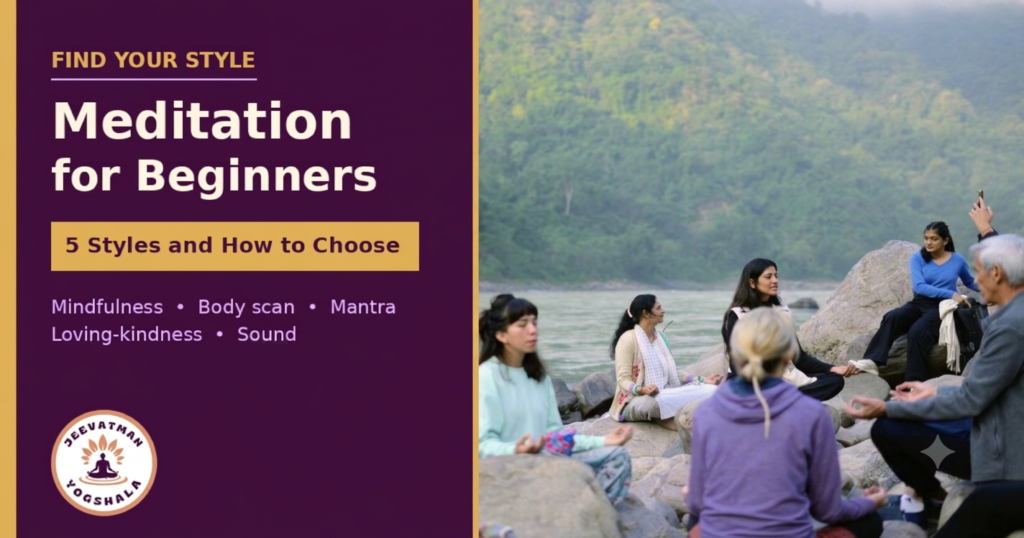
Quick Answer: Meditation for beginners can start with any of five simple styles: mindfulness of the breath, body scan, mantra, loving-kindness and sound meditation. To choose one, think about what you want (calm, focus, better sleep or kindness), try each style for a few days for five to ten minutes, and keep the one you can actually stick with. There is no right or wrong style, and a wandering mind is normal. Meditation may help with stress for some people, but it is not a medical treatment.
Almost everyone has heard that meditation is good for you, and almost everyone has been put off by the same questions. Do I have to sit cross-legged? Do I need to stop thinking? Which kind should I try, out of the dozens on offer? It is easy to feel overwhelmed before you even begin.
This guide to meditation for beginners explains five popular styles in plain language, shows how each one works, and helps you choose the one that suits you. It is general information, not medical advice.
Important Distinction: Meditation is not about emptying your mind or stopping thoughts. It is about noticing where your attention goes and gently bringing it back. If your mind wanders, you are not failing, you are meditating.
What Is Meditation?
Meditation is a group of practices for training attention and awareness. Many are rooted in yoga and other contemplative traditions, while others have been adapted for modern, non-religious use. Meditation for beginners does not require special equipment, and you can meditate sitting, lying down or even walking.
The US National Center for Complementary and Integrative Health describes research on meditation as showing mixed results, with some evidence that certain practices may help with stress, anxiety, depression and sleep for some people. It also notes that meditation generally has few risks but that some people have negative experiences, and that few studies have looked at harms. Its page of things to know about meditation is a helpful, plain-language overview.
5 Meditation Styles for Beginners
1. Mindfulness of the Breath
This is the most common starting point. You sit comfortably and pay attention to the natural rhythm of your breathing, noticing the air at your nostrils or the rise and fall of your belly. When your mind wanders, you gently return to the breath, again and again.
Best for: building focus and a calmer relationship with your thoughts. Watch out for: frustration when your mind wanders. Wandering is the practice, not a mistake.
2. Body Scan
In a body scan, you move your attention slowly through the body, usually from the feet to the head, noticing sensations without trying to change them. It is often done lying down and is a gentle way to release tension.
Best for: relaxation, body awareness and winding down in the evening. Watch out for: falling asleep, which is fine if you are practising before bed.
3. Mantra Meditation
You silently or softly repeat a word, sound or phrase, such as Om, so that the mantra becomes the anchor for your attention. When your mind drifts, you return to the repetition. Our guide on awakening the Om within through sound explores the sound of Om.
Best for: people who find a silent breath hard to follow and like having something to repeat. Watch out for: choosing a mantra without understanding it. Learn more from a teacher if you are drawn to a traditional one.
4. Loving-Kindness Meditation (Metta)
You silently offer kind wishes, such as may you be happy and may you be at ease, first to yourself, then to a loved one, a neutral person and eventually to all beings. The aim is to cultivate warmth and compassion.
Best for: softening self-criticism and building a sense of connection. Watch out for: difficult emotions arising. Go gently and stop if it feels overwhelming.
5. Sound Meditation
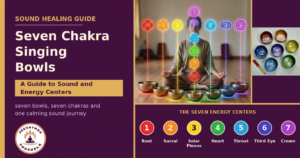
In sound meditation you rest your attention on sound, such as a singing bowl tone, a chant, a hum or the sounds around you. It is the heart of Nada Yoga, the yoga of sound. If you would like to try a guided version, see our sound bath meditation guide, our Tibetan singing bowls guide and our overview of chakra singing bowls.
Best for: people who find sound easier to follow than silence. Watch out for: loud or sustained sound if you have tinnitus or hearing sensitivity.
The 5 Styles at a Glance
| Style | What You Focus On | Best For | Typical Beginner Time |
|---|---|---|---|
| Mindfulness of the breath | The natural breath | Focus and calm | 5 to 10 minutes |
| Body scan | Sensations through the body | Relaxation and winding down | 10 to 15 minutes |
| Mantra meditation | A repeated word or sound | Anchoring a busy mind | 5 to 10 minutes |
| Loving-kindness | Kind wishes for yourself and others | Warmth and self-compassion | 5 to 10 minutes |
| Sound meditation | A sound, chant or tone | Gentle focus without silence | 5 to 15 minutes |
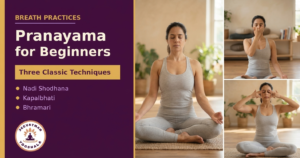
Other styles you may come across include walking meditation, guided meditation using a recording and Yoga Nidra. You can explore these later, once you have a foundation. Breath practice is also closely related to meditation; see our guide to pranayama for beginners.
Meditation for Beginners: How to Choose a Style
| If You Want... | Try... | Why |
|---|---|---|
| To improve focus | Mindfulness of the breath or mantra | Both give your attention a single anchor |
| To relax or wind down | Body scan or sound meditation | They are gentle and easy to follow lying down |
| To feel kinder to yourself | Loving-kindness | It is designed to build warmth and compassion |
| Something easier than silence | Sound or mantra | They give your mind something to hold on to |
| To fall asleep more easily | Body scan before bed | It relaxes the body and slows the mind |
Practical Tip: Run a simple experiment: try one style for three days in a row, five to ten minutes a day, then switch. Keep a note of how you feel afterward. The best style is the one you will actually keep doing.
A 7-Day Meditation for Beginners Plan
- Days 1 and 2: mindfulness of the breath, five minutes.
- Day 3: body scan, ten minutes.
- Day 4: mantra meditation, five minutes.
- Day 5: loving-kindness, five minutes.
- Day 6: sound meditation, using a recording or a bowl, ten minutes.
- Day 7: repeat the one you liked best, and plan how to continue.
If you would like gentle movement first, our guides to yoga for mental health and yoga for sleep offer calming options, and our guide to easy yoga poses and meditation tips adds more ideas.
Common Obstacles and What to Try
| Obstacle | What to Try |
|---|---|
| My mind will not stop | This is normal. Gently return to your anchor, and treat each return as a success. |
| I fall asleep | Sit upright, meditate earlier in the day or with eyes slightly open. |
| Sitting is uncomfortable | Use a chair or cushion, or lie down for a body scan. |
| I feel bored or restless | Shorten the session and try a different style, such as sound or loving-kindness. |
| Difficult emotions come up | Stop if needed, breathe normally and speak to a trusted professional if they persist. |
Who Should Take Extra Care Before Starting Meditation for Beginners
Meditation is usually gentle, but it is not right for everyone at every moment. Speak to a doctor, therapist or qualified teacher first if you:
- have a history of trauma, severe anxiety, depression or another mental health condition
- find that meditation makes you feel worse, more anxious or disconnected
- have hearing sensitivity or tinnitus and plan to use sound meditation
- are in a crisis or acute distress
Start with short sessions, stay with practices that feel safe, and stop if you feel overwhelmed. Meditation is not a replacement for mental health care.
Common Mistakes in Meditation for Beginners
Watch out for these frequent errors:
- Trying to stop your thoughts
- Judging yourself when your mind wanders
- Starting with sessions that are too long
- Switching styles every day without giving any a fair try
- Expecting instant calm
- Meditating only when stressed instead of building a habit
For Yoga Teachers: Teaching Meditation Responsibly
If you teach, keep instructions simple, offer choices, avoid promising outcomes and be prepared for the fact that meditation can bring up strong feelings for some students. You can learn how to guide meditation and sequence classes safely in our 200-hour yoga teacher training in Rishikesh, and see our guide on how to start a yoga class.
Frequently Asked Questions
What is the best meditation for beginners?
How long should beginners meditate?
Do I need to clear my mind to meditate?
How do I choose a meditation style?
Can I meditate lying down?
What is the best time of day to meditate?
Is meditation safe for beginners?
Can meditation help with stress and sleep?
Do I need to be spiritual to meditate?
Key Takeaway
Meditation for beginners is simpler than it looks. Choose from five approachable styles, mindfulness of the breath, body scan, mantra, loving-kindness or sound, try each for a few days, and keep the one that you will genuinely do. Go gently, expect your mind to wander, take care if you have difficult feelings or health concerns, and let a short daily practice grow slowly.
Want a Deeper Setting to Practise?
If you are curious about practising yoga and meditation in a dedicated setting, you are welcome to review the retreat details and ask any questions about what is included. Take your time and choose what fits your goals.
Explore the Yoga Retreat in RishikeshThis article is general information, not medical advice. Meditation is a wellbeing practice and not a treatment for any condition. If you have a mental health condition, a history of trauma, or health concerns, please speak to a qualified healthcare professional before starting a new practice.