Last updated: 18 October 2026 · Written by the Jeevatman Yogshala team, Swargashram, Rishikesh
Quick answer
A 4 week yoga teacher training in India is usually a 200 hour course run over 24 days. At Jeevatman Yogshala in Rishikesh, you train six days a week with about seven hours of scheduled classes a day, and Sunday off. The 200 hours combine those classes with practice teaching, homework and self-study. Week 1 builds foundations, week 2 adds Ashtanga and anatomy, week 3 shifts to teaching skills, and week 4 is practice teaching and assessment. Graduates receive a Yoga Alliance–recognised RYS 200 certificate.
Why is a 200 hour YTT four weeks long?
200 hours is the entry-level standard for teaching yoga internationally and the minimum for registering with Yoga Alliance as an RYT 200. Fitting it into four weeks means a full-time, residential schedule: you live at the school, eat there and practise from early morning to evening. That intensity is the point. In a part-time course spread over months, you’d get the same hours but lose the immersion, and most international students can’t take six months of weekends off anyway.
Our 2026–27 batches run from the 3rd to the 26th of each month. The next two start on 3 November and 3 December 2026; see November & December 2026 batch details.
What happens each week of a 4 week yoga teacher training?
The breakdown below shows how our 200 hour syllabus builds over the month. Exact topics on a given day vary with the group.
Week 1: Foundations and getting into the rhythm
- Practice: traditional Hatha yoga, starting with the Pavanmuktasana series and Hatha Surya Namaskar, then standing, sitting and supine sequences.
- Breath and cleansing: yogic breathing, Nadi Shodhana and an introduction to shatkarma (cleansing practices such as jala neti and kapalbhati).
- Mantra: the meaning of Om and core chants such as the Gayatri and Mahamrityunjaya mantras.
- Philosophy: what yoga is (and isn’t), its origins, and the eight limbs.
- What it feels like: the 5:30 am wake-ups and two asana sessions a day take adjusting to. Expect the first week to be the most tiring; it gets easier as your body settles into the routine.
Week 2: Ashtanga Vinyasa, anatomy and the start of teaching
- Practice: the Ashtanga primary series is introduced step by step: Surya Namaskar A and B, standing poses, then seated poses. Bandhas, breath and drishti (gaze) are taught alongside.
- Anatomy: the skeletal, muscular and respiratory systems, and how they relate to safe asana practice.
- Pranayama: Ujjayi, Bhastrika, Bhramari and the cooling breaths (Sheetali, Sheetkari).
- Teaching: short practice-teaching segments begin, with feedback from teachers and peers.

Week 3: Teaching methodology, alignment and adjustments
- Methodology: how to sequence a class, give clear verbal cues, demonstrate, and handle mixed-level groups.
- Adjustments: hands-on adjustments, use of props, modifications and contraindications.
- Philosophy: the Yoga Sutras of Patanjali (chitta, vrittis, kleshas) and the Hatha yoga texts.
- Subtle body: chakras, pancha kosha, mudras and the full set of bandhas.
- Anatomy: nervous, endocrine, digestive and circulatory systems.

Week 4: Leading full classes and graduating

- Practicum: you lead complete classes to your group and receive detailed feedback.
- Meditation and relaxation: how to guide meditation and Yoga Nidra in your own classes.
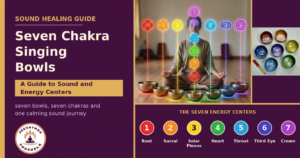
- Sound healing: singing bowls, sound meditation and mantra for relaxation, part of the included 3-day sound healing course.
- Assessment and graduation: final assessment, then a graduation ceremony and your certificate.
How many hours a day is a 4-week yoga teacher training?
Expect about seven hours of scheduled classes a day, six days a week:
| Time | Session |
|---|---|
| 6:00–7:00 am | Pranayama and mantra chanting |
| 7:15–8:45 am | Hatha yoga practice |
| 10:30 am–12:30 pm | Philosophy, anatomy or teaching methodology |
| 4:00–5:30 pm | Ashtanga Vinyasa practice |
| 6:00–7:00 pm | Meditation, kirtan or sound healing |
Meals and rest fill the gaps, and Sunday is a full day off. See the full daily schedule for timings.
Is four weeks enough to become a yoga teacher?
Four weeks is enough to teach a safe, well-structured beginner or general-level class. It is not enough to be an expert. Our graduates leave able to sequence a class, cue clearly, adjust safely and explain the basics of philosophy and anatomy. Confidence comes from teaching regularly after the course. Many teachers later deepen their training with a 300 hour course; see 200 hour vs 300 hour YTT.
4-week vs shorter or longer formats
| Format | Length | What you get | Best for |
|---|---|---|---|
| 100 hour YTT | About 11 days | A foundation course; not enough on its own to register as RYT 200 | Deepening your own practice on a short break |
| 200 hour YTT | 24 days (4 weeks) | Full entry-level teacher training; RYT 200 eligibility | Anyone who wants to teach |
| 500 hour YTT | Several weeks longer (see course page) | 200 + 300 hours combined; RYT 500 eligibility | Career teachers with time to commit |
Who is a 4-week residential YTT right for?
- Career-breakers and people between jobs who can take a month away.
- Annual-leave planners: a 24-day course plus travel fits into roughly four to five weeks away from home. December batches line up with end-of-year holidays (see yoga teacher training over Christmas).
- Beginners and experienced practitioners: no advanced poses are required to start. See can a beginner do a 200 hour YTT?
- People over 40: age isn’t a barrier. See am I too old for yoga teacher training?
It’s not right for you if you can’t commit to every class. Attendance is compulsory for certification.
How much does a 4-week yoga teacher training in India cost?
At Jeevatman Yogshala, the 24-day 200 hour course costs US$950 in a shared twin room or US$1,150 in a private room. That includes accommodation, daily sattvic vegetarian meals, study materials, free pickup from Dehradun airport, and a free 3-day sound healing course. Flights, visa and insurance are extra. Full breakdown: 200 hour YTT Rishikesh cost (2026).
How to prepare for a 4 week yoga teacher training
You don’t need to be advanced, but the first week is easier if you arrive ready. In the 4–6 weeks before your course:
- Practise most days. Even 30 minutes of sun salutations and basic standing poses builds stamina for two asana classes a day.
- Shift your sleep. Classes start at 6:00 am. Move your wake-up time earlier in the two weeks before you fly so the time difference hurts less.
- Read a little. An accessible translation of the Yoga Sutras of Patanjali gives you a head start on philosophy classes.
- Learn basic anatomy terms. Knowing the major muscle groups and joint actions makes anatomy lectures easier to follow.
- Sort the logistics early. Visa, flights to Delhi and Dehradun, and travel insurance. Our guide to booking from abroad walks through each step.
What do you do on Sundays during a 4 week YTT?
Sunday is free. Use it to rest and recover, and if you want to explore, Rishikesh has plenty within walking distance or a short ride:
- the ghats and temples around Ram Jhula
- the Beatles Ashram
- the evening Ganga Aarti by the river
- cafés and bookshops in Laxman Jhula and Tapovan

Set aside part of the day to review your notes; the final assessment comes round quickly.
Residential vs non-residential 4 week yoga teacher training
| Factor | Residential (live at the school) | Non-residential (stay elsewhere) |
|---|---|---|
| Commute | None: classes are on site | Daily travel to the shala |
| Meals | Sattvic meals included | You arrange your own |
| Immersion | Full: you live the yogic routine | Partial |
| Rest between sessions | Easy to nap or study in your room | Harder |
| Cost to compare | One all-in price | Course fee plus rent and food |

Our 4 week yoga teacher training is residential, so accommodation and meals are part of the fee. See the accommodation page for rooms.
What to pack for a 4 week yoga teacher training in Rishikesh
Pack for practice, study and the season. For November and December, bring warm layers for early mornings. Key items: comfortable practice clothes for two classes a day, a notebook, a refillable water bottle, modest clothing for temples, and a light jacket or fleece. Full list: what to pack for yoga teacher training in Rishikesh.
Start your 4 weeks in November or December
Next batches: 3–26 November 2026 and 3–26 December 2026. Max 10 students each.
Frequently asked questions
How long is a 200 hour yoga teacher training?
Residential 200 hour courses in India usually take 3 to 4 weeks. At Jeevatman Yogshala in Rishikesh it runs for 24 days, from the 3rd to the 26th of each month, with Sundays off.
Can I do a 1-month yoga teacher training in Rishikesh as a beginner?
Yes. The 200 hour course starts from the basics. You need commitment and basic fitness, not advanced poses.
Do I get a day off during a 4-week YTT?
Yes. Sunday is a full day off each week, which you can use to rest, visit the ghats and temples, or watch the evening Ganga Aarti.
What style of yoga is taught in the 4-week course?
Traditional Hatha yoga and Ashtanga Vinyasa (primary series), alongside pranayama, meditation, mantra, philosophy, anatomy and teaching methodology. See Hatha vs Ashtanga.
Can I teach after a 4-week yoga teacher training?
Yes. After completing the 200 hour course you can register with Yoga Alliance as an RYT 200 and teach. Here’s how to register as an RYT 200.
Is a 4 week yoga teacher training hard?
It’s demanding rather than extreme: two asana classes a day plus lectures, six days a week. The first week is the most tiring. Arriving with a regular practice and a shifted sleep schedule makes it much easier.
What should I read before a 4 week yoga teacher training?
An accessible translation of the Yoga Sutras of Patanjali and a basic introduction to anatomy are enough. Study materials are provided as part of the course.
Can I work remotely during a 4 week yoga teacher training?
Not realistically. Classes run from 6:00 am to 7:00 pm with study in between, six days a week. Plan to be fully offline from work for the 24 days.