Choosing the right yoga style for your 200-hour Yoga teacher training in India certification is one of the most important decisions you’ll make on your yogic journey. While all yoga paths lead toward self-realization and inner peace, the route you take matters significantly, especially when you’re investing time, energy, and resources into formal training.
Two of the most popular and traditional yoga styles offered in teacher training programs are Hatha and Ashtanga yoga. Both have ancient roots, devoted practitioners worldwide, and transformative potential. But which one aligns best with your goals, physical abilities, and teaching aspirations?
This comprehensive guide will help you understand the fundamental differences between Hatha and Ashtanga yoga, enabling you to make an informed decision about your 200-hour certification path.
Understanding Hatha Yoga: The Foundation of Physical Practice
Hatha yoga is often called the foundation of all physical yoga practices. The term “Hatha” combines two Sanskrit words: “Ha” meaning sun and “Tha” meaning moon, representing the balance of opposing energies within the body.
The Essence of Hatha Yoga
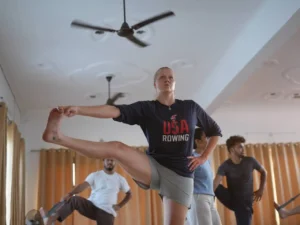
Hatha yoga focuses on physical postures (asanas) and breathing techniques (pranayama) to prepare the body for deeper meditation. Classes are typically slower-paced, holding poses for longer durations to develop strength, flexibility, and body awareness. This mindful approach allows practitioners to truly understand the mechanics of each posture and explore their edge without rushing.
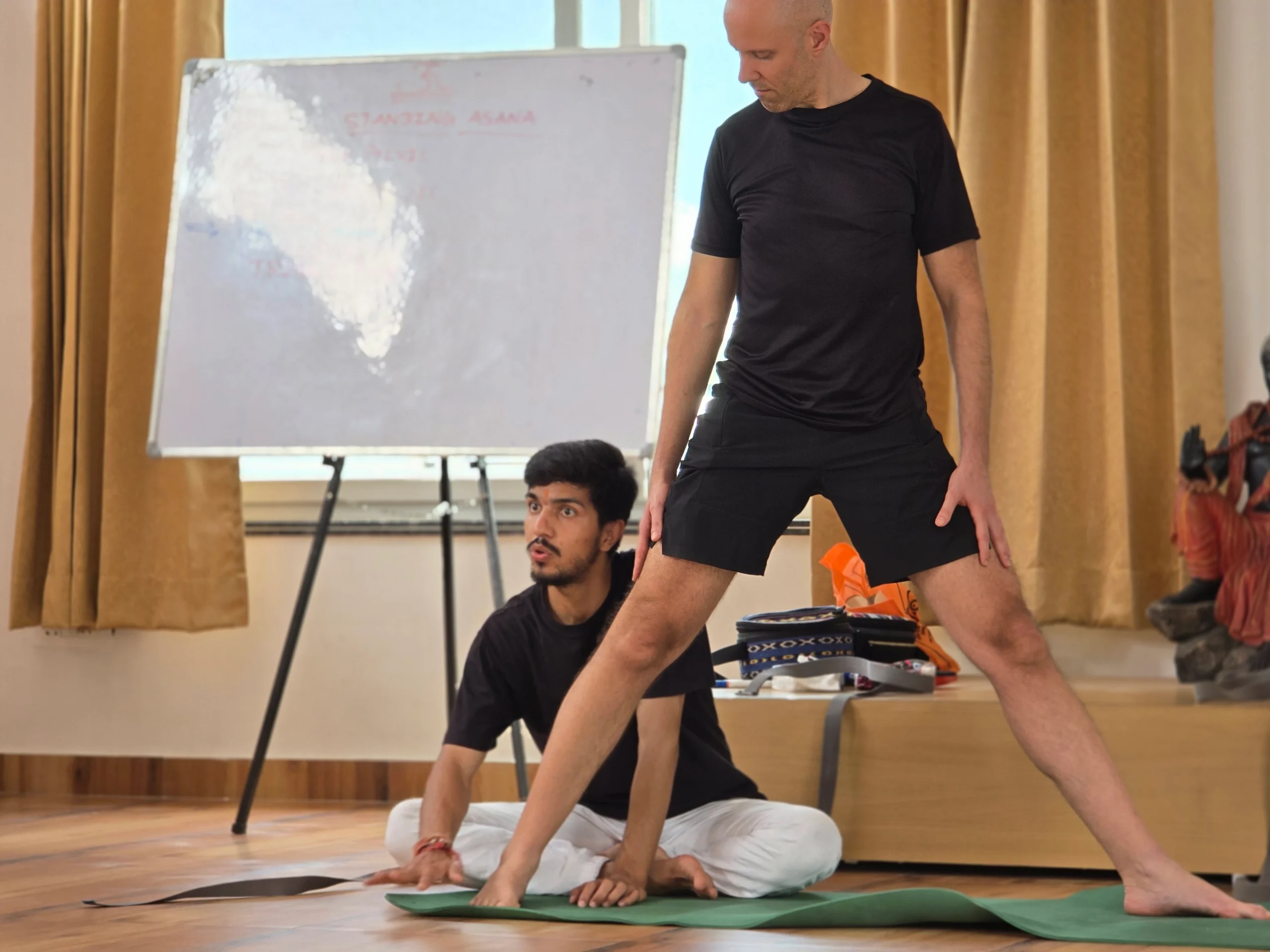
In a Hatha-based 200-hour teacher training, you’ll dive deep into alignment principles, modifications for different body types, and the therapeutic benefits of each pose. The gentler pace makes it ideal for beginners while still offering profound depth for advanced practitioners.
Who Should Choose Hatha Yoga Training?
Hatha yoga is particularly well-suited for those who want to build a strong foundational understanding of yoga postures and philosophy. If you’re drawn to a teaching style that emphasizes accessibility, inclusivity, and mindful movement, Hatha training will serve you well. It’s also excellent for those interested in therapeutic yoga, working with seniors, or teaching beginners.
Exploring Ashtanga Yoga: The Path of Dynamic Discipline
Ashtanga yoga, developed by Sri K. Pattabhi Jois, is a rigorous and structured practice that follows a specific sequence of postures linked together by breath and movement.
The Essence of Ashtanga Yoga
Ashtanga is characterized by its dynamic, flowing nature and adherence to set sequences. The practice follows the “vinyasa” method, where breath synchronizes with movement, creating internal heat that purifies the body. There are six series in Ashtanga, beginning with the Primary Series (Yoga Chikitsa), which focuses on detoxification and alignment.
The practice is physically demanding and requires discipline, consistency, and dedication. Students typically practice the same sequence daily, gradually progressing as they master each posture. This repetition builds not only physical strength and flexibility but also mental focus and determination.
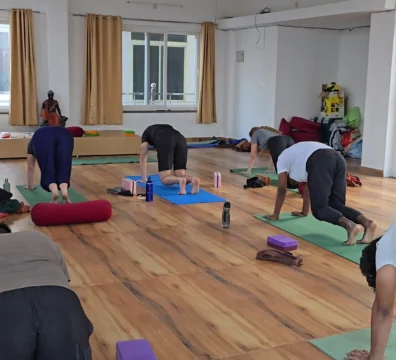
Who Should Choose Ashtanga Yoga Training?
Ashtanga training appeals to those who appreciate structure, enjoy physical challenges, and are drawn to a more athletic approach to yoga. If you thrive on routine, want to build significant strength and stamina, and are attracted to the meditative quality that comes from repetitive practice, Ashtanga may be your path. It’s particularly beneficial for individuals with a background in athletics or those seeking a transformative physical practice.
| Comparison Factor | Hatha Yoga | Ashtanga Yoga |
|---|---|---|
| Practice Pace | Slow to moderate; poses held 5-10 breaths | Fast-paced and flowing; one breath per movement |
| Sequence Structure | Varies by teacher and class focus | Fixed sequence (Primary Series, Intermediate, etc.) |
| Physical Intensity | Gentle to moderate (3-5/10) | Vigorous and demanding (7-9/10) |
| ️ Breathing Technique | Natural breathing, pranayama emphasized | Ujjayi breath synchronized with movement |
| Ideal For | Beginners, seniors, therapeutic applications | Intermediate to advanced, athletic practitioners |
| Class Experience | Flexible, adaptable, teacher-guided | Strict, traditional, self-practice style |
| Learning Curve | Gradual and accessible (2-4 months to basics) | Steep but rewarding (6-12 months to Primary Series) |
| Teaching Philosophy | Inclusive, modification-focused, therapeutic | Disciplined, tradition-based, transformative |
| Calories Burned | 150-200 per hour | 300-450 per hour |
| Class Duration | 60-75 minutes | 90-120 minutes (full Primary Series) |
Quick Decision Guide
Choose Hatha if you: Want flexibility in teaching, prefer gentle progression, plan to work with diverse students, or value therapeutic applications.
Choose Ashtanga if you: Love structured routines, seek physical challenge, want deep personal transformation, or aim to teach dedicated practitioners.
Making Your Decision: Key Considerations
Your Current Fitness Level
Be honest about your current physical condition. While both styles can accommodate different levels, Ashtanga requires a baseline of strength and stamina. Hatha’s gentler approach makes it more accessible if you’re newer to physical practice.
Your Teaching Goals
Consider who you envision teaching. If you want to work with diverse populations including beginners, older adults, or those with physical limitations, Hatha training provides more versatile tools. If you’re passionate about inspiring dedicated practitioners and building a strong personal practice, Ashtanga offers depth in that direction.
Your Personal Practice Philosophy
Reflect on what draws you to yoga. Is it the meditative stillness, the therapeutic benefits, and accessibility? Hatha aligns with these values. Or are you captivated by the discipline, the transformative power of consistent practice, and physical mastery? Ashtanga embodies these qualities.
Learning in the Yoga Capital: Why Location Matters
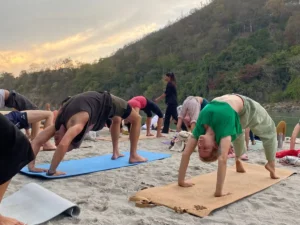
When pursuing your 200-hour certification, the environment and authenticity of your training matter immensely. Rishikesh, nestled in the Himalayan foothills along the sacred Ganges River, is recognized globally as the birthplace of yoga and the ideal place to deepen your practice.
Training in Rishikesh offers immersion in authentic yogic tradition, away from commercial distractions. The spiritual energy of this ancient city, combined with experienced teachers who have dedicated their lives to yoga, creates an unparalleled learning environment.
Jeevatman Yogshala in Rishikesh stands out as an exceptional institution offering comprehensive training in both Hatha and Ashtanga yoga. Their experienced instructors honor traditional teachings while making them accessible to modern practitioners. Whether you choose Hatha or Ashtanga, studying at Jeevatman Yogshala provides the authentic foundation necessary for confident, competent teaching.
The Beautiful Truth: There’s No Wrong Choice
Here’s a liberating perspective: you don’t have to choose just one path forever. Many accomplished yoga teachers train in multiple styles throughout their careers, enriching their understanding and versatility. Your 200-hour certification is just the beginning of a lifelong journey.
Some teacher training programs, including those offered at quality institutions like Jeevatman Yogshala, incorporate elements of both Hatha and Ashtanga, providing exposure to different approaches. This comprehensive education allows you to discover your natural affinity while appreciating the value of various traditions.
Conclusion: Trust Your Inner Teacher
Ultimately, the best yoga style for your 200-hour course is the one that resonates with your soul, challenges you appropriately, and aligns with your vision of sharing yoga with others. Both Hatha and Ashtanga are profound practices with the power to transform lives.
Listen to your intuition. Perhaps attend a few classes in both styles before committing to teacher training. Notice which practice leaves you feeling energized, inspired, and eager to return. That enthusiasm is your inner teacher guiding you toward your authentic path.
Whether you choose the mindful, accessible approach of Hatha or the disciplined, dynamic practice of Ashtanga, commit fully to your chosen path. Dive deep, practice with devotion, and trust that the right training will prepare you to share yoga’s timeless wisdom with the world.
Your journey as a yoga teacher begins with this choice, but it certainly doesn’t end there. Embrace the path that calls to you, and remember that all yoga, regardless of style, leads toward the same destination: union with your highest self.
Namaste.
Still confused? Talk to our masters at Jeevatman Yogshala or check our 200-hour syllabus. [Download 200-Hour Syllabus PDF]
FAQs for Hatha vs Ashtanga Yoga
Q1. Which is better for beginners: Hatha or Ashtanga?
Hatha Yoga is generally considered the best starting point for beginners. It features a slower pace, focusing on basic postures (asanas) and breathing techniques. Ashtanga is more physically demanding and fast-paced, making it ideal for those who enjoy a disciplined and rigorous practice.
Q2. Can I learn both Hatha and Ashtanga in a 200-hour YTTC?
Yes! At Jeevatman Yogshala, our 200-hour Yoga Teacher Training is designed as a multi-style course. This ensures you build a strong foundation in Hatha Yoga while also mastering the fluid and dynamic transitions of Ashtanga Vinyasa.
Q3. Is Ashtanga Yoga harder than Hatha Yoga?
Ashtanga is often perceived as "harder" because it follows a set sequence of poses performed without a break, which builds significant heat and stamina. Hatha is more accessible as it focuses on holding individual poses to improve alignment and flexibility at a calm pace.
Q4. Does the 200-hour Yoga Teacher Training certificate mention the style?
Most reputable schools, including Jeevatman Yogshala, provide a "Multi-style" certification recognized by Yoga Alliance USA. This certification qualifies you to teach both Hatha and Ashtanga Vinyasa yoga styles globally.
Q5. Do I need prior experience for Ashtanga Yoga in Rishikesh?
While having some physical fitness helps, prior experience is not mandatory. At Jeevatman, our expert teachers guide you through the Ashtanga Primary Series from scratch, ensuring you learn the correct techniques safely and effectively.
Check our [200 Hour YTTC Dates] to start your journey."