1. You Start Experiencing Sound Differently
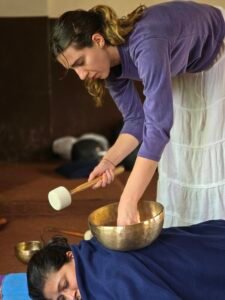
Before learning sound healing, most of us think of sound in very simple terms.
It is something we hear through our ears; music, conversations, noise.
But when you begin working closely with vibrational instruments, something shifts in that perception.
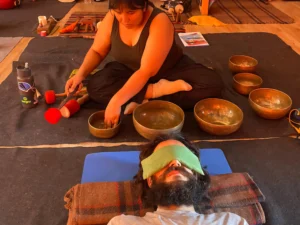
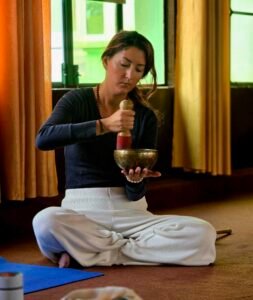
A singing bowl placed near the body doesn’t just create a sound in the room. The vibration travels through the air and into the body itself. You can feel it in the chest, sometimes even in the bones.
During training sessions, students often begin noticing subtle things they had never paid attention to before. Certain tones make the mind becomes quiet almost instantly. Some frequencies feel grounding and heavy, while others feel light and spacious.
This is not something mystical. It is simply body responding to vibration.
The ancient yogic traditions described this understanding thousands of years ago through the path of Nāda Yoga, often translated as the yoga of sound. According to this philosophy, sound can guide the mind from activity toward stillness. An ancient expression captures this beautifully:
“Nāda Brahma – The universe itself is sound.”
When students begin experiencing sound through this lens, they start to realise the vibration is everywhere. In the body, in the nature, and even in the rhythm of our thoughts.
Sound healing training simply teaches us how to become more aware of it.
 2.Personal Healing Happens Naturally
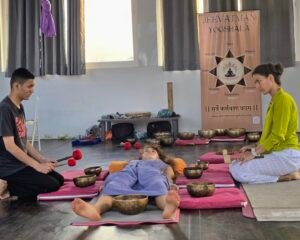 2.Personal Healing Happens Naturally
One thing we have noticed is that people often arrive at a sound healing teacher training course thinking about how they will help others. But somewhere along the way, they discover that the practice begins to work on them first.
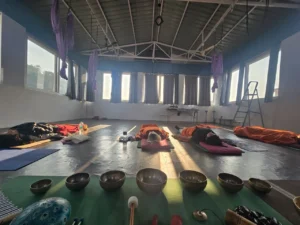
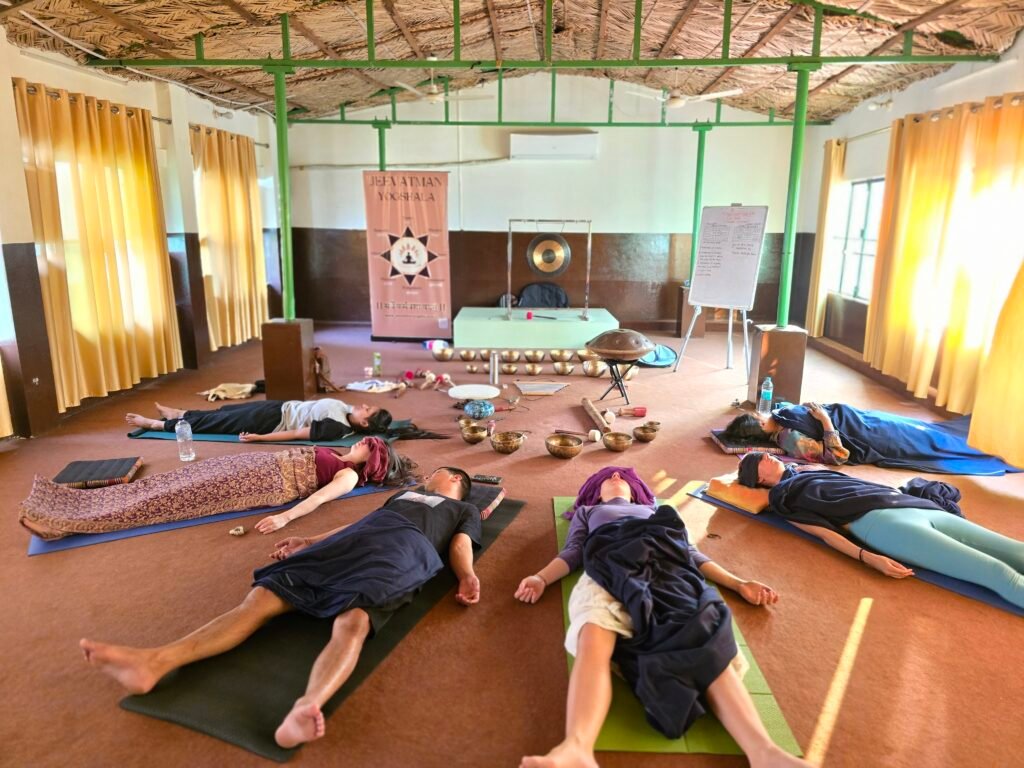
Spending several days immersed in sound meditation and singing bowl sound healing practices creates a rare kind of environment. There is less stimulation, fewer distractions, and more time for the nervous system to settle.
Modern life rarely gives us this space.
Most of us move through our days surrounded by noise, screens, responsibilities, and constant mental activity. Even when we try to relax the mind keeps running.
Sound healing works differently.
When someone lies down for a sound session, there is nothing to achieve and nothing to control. The vibration simply moves through the body, gently guiding it towards relaxation.
During training, students often start noticing small but meaningful changes.
Sleep becomes deeper.
The mind feels less crowded.
Old emotional tension begins to soften.
Sometimes people even have moments of unexpected clarity — insights that arise when the mind finally slows down.
For many students, this becomes one of the most valuable benefits of sound healing training.
The learning is important, of course, but the personal growth and transformation that happens along the way is something they didn’t expect.
4. Sound Healing Opens New Possibilities
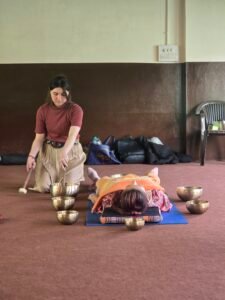
Over the last decade, interest in sound healing has grown significantly around the world. Yoga studios, retreat centres, meditation spaces, and wellness clinics are increasingly offering sound bath sessions and vibrational meditation practices.
For students who complete a sound healing course, this opens many possibilities. Some graduates begin offering group sound baths in yoga studios. Others integrate sound healing into meditation sessions or yoga classes. Some combine it with other practices such as breathwork or energy healing.
What makes sound healing especially unique is that it compliments many different paths. Yoga teachers often find that even a short sound meditation at the end of a class helps students relax much more deeply.
Therapists sometimes use sound to support emotional release and for activation of parasympathetic nervous system to help them relax deeply.
And some students simply continue practicing sound healing for themselves, using it as a personal ritual of grounding and reflection. The practice is flexible. It grows naturally with the person who learns it.
5. You Become Part of a Unique Learning Community
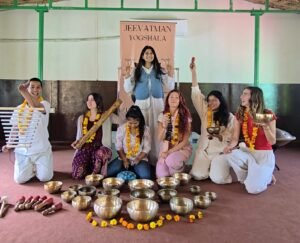
Another unexpected gift of a sound healing course in Rishikesh is the community that forms during the process. Students arrive from different countries and backgrounds, often meeting for the first time.
But something about the shared experience learning sound healing creates a natural sense on connection.
People practice together. They share stories about their journeys. Sometimes they support each other through moments of vulnerability that arise suring sound sessions.
Sound itself becomes kind of a common language.
Even when people speak different languages, the vibration of a gong or a singing bowl is something everyone understands. By the end of the training, many students feel that they are leaving not just with new knowledge, but with meaningful frendships that may last far beyond the course itself.
Listening Beyond Sound
At first this sound mysterious, but the meaning becomes clearer through practice. Sound can guide the mind toward silence. And in that silence, something interesting happens.
We start listening more carefully, not just to the sounds around us but also to the quieter layers of our own experience.
It reminds us how to pause.
How to listen.
And how to reconnect with a sense of balance that is often hidden beneath the noise of everyday life.
Beginning the Journey
Joining a Sound Healing Teacher Training Course is not just about learning to play instruments. It is about exploring vibration, awareness, and the subtle ways sound influences body and mind.
Some people begin the journey out of curiosity. Others feel a deeper calling towards healing work. But almost everyone leaves with the same realisation.
Sound is not just something we hear.
It is something that can quietly bring us back into harmony with ourselves. And sometimes, that is exactly what we need.